Blog ·
Updated
15 Games Like NYT Connections to Play in 2026
Find your next word game: 15 playable Connections alternatives, with screenshots, play links, free and paid options, estimated session lengths and practice modes.
Finished today’s grid? Start with PuzzGrid or Conexo for more four-word categories, Contexto or Semantle for word associations, or Layers Game for a grouping puzzle that leads to a final meta answer. The other picks below trade categories for spelling, deduction or teamwork.
Layers Game is our own game. Screenshots show the publishers’ entry, tutorial or play screens, including subscription screens where applicable. Access options were checked on November 11, 2026; session lengths are rough estimates.
1. Layers Game — a grid inside a mini puzzle hunt
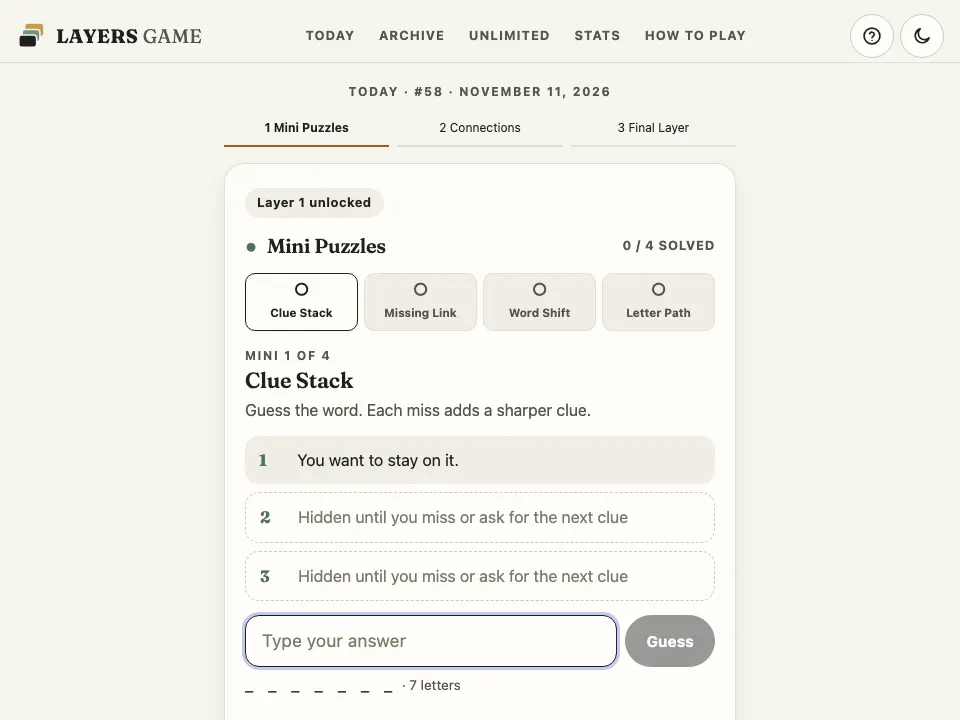
Solve four mini puzzles, sort sixteen words into four groups, then carry four key words into the Final Layer. Choose this when you want the discoveries to build on each other, rather than end when the grid is clear. Unlimited here uses this website’s puzzle library; check the publisher when looking for similarly named apps.
Cost: free. Allow: 5–10 minutes. More play: free archive and Unlimited replay of released puzzles.
Play Layers Game · Try Unlimited · About this browser game
2. PuzzGrid — community-made connecting walls
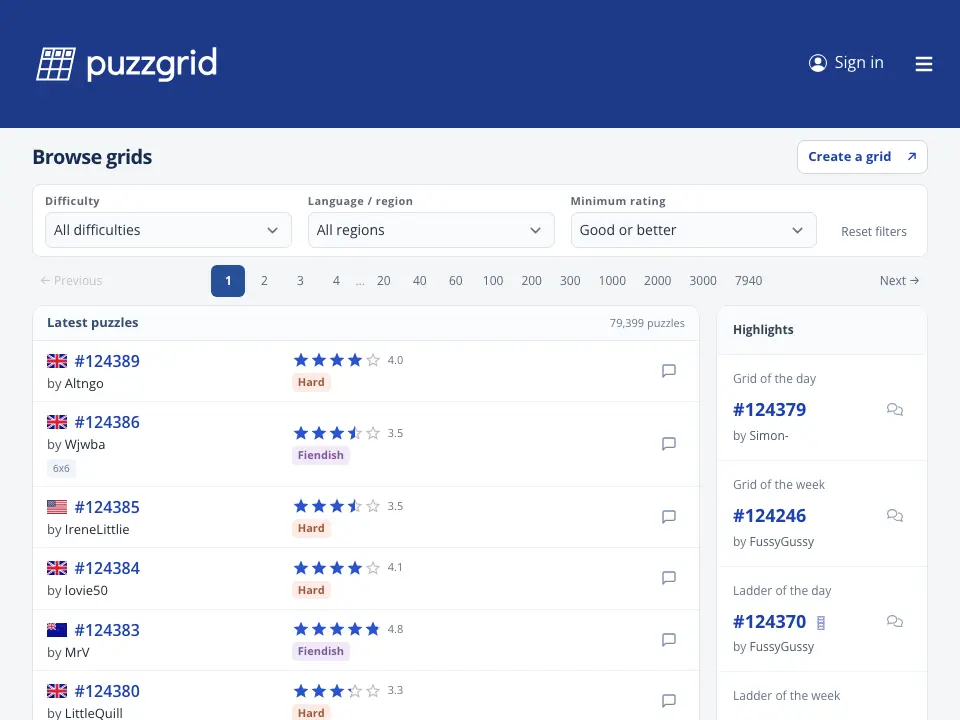
Browse connecting walls made by other players, with difficulty, language and rating filters. It is a close fit for the four-groups-of-four itch. Community authors make the variety appealing, but clue fairness varies; start with highly rated easier grids.
Cost: free browser grids. Allow: 3–10 minutes. More play: a large browsable library, rather than one daily limit.
3. Conexo — another daily category grid
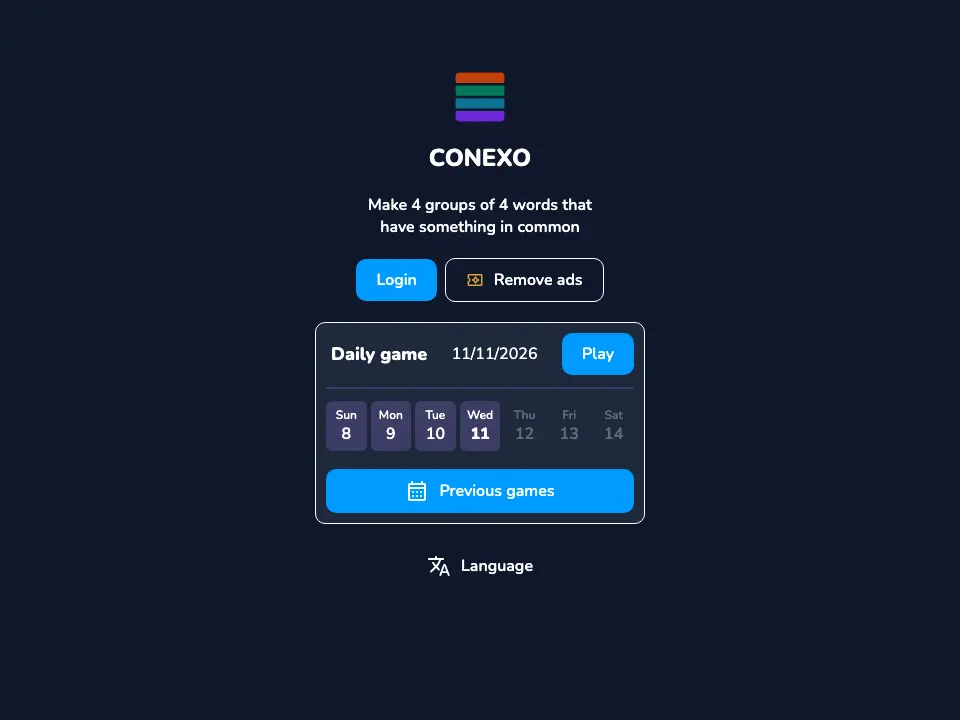
Make four groups of four words that share a connection. Conexo is a direct next stop if you want another category puzzle without learning a different input system. Its previous-games calendar is useful when today’s board is not enough.
Cost: free play with a paid ad-removal option. Allow: 3–10 minutes. More play: previous games; no separate Unlimited control on the checked entry screen.
4. Contexto — follow meaning toward a secret word
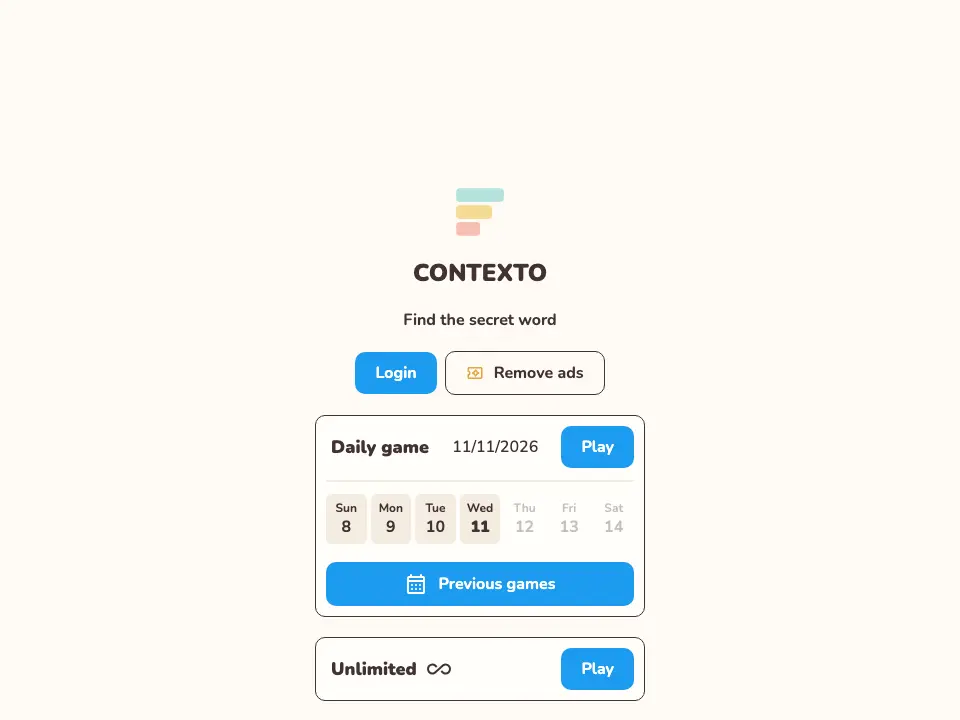
Guess a word and use its semantic ranking to get closer to the target. The connection is about how words are used, not matching letters. It suits the part of Connections where you keep asking, “In what context would these ideas belong together?”
Cost: free play, with paid ad removal. Allow: 5–20 minutes. More play: previous games and an Unlimited mode.
5. Semantle — a harder semantic search
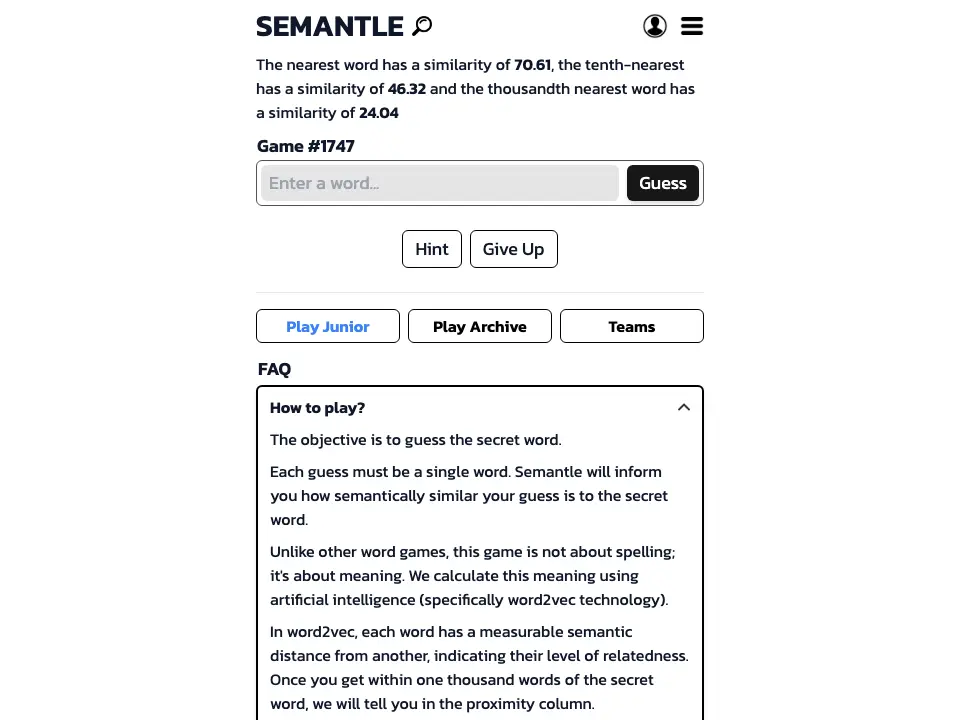
Each guess gets a similarity score to a hidden word. There are unlimited guesses, but a high score is not a spelling hint. Try shifting between topics and grammatical roles instead of simply listing synonyms. This can be a much longer, less bounded session than a category grid.
Cost: free browser play. Allow: 10–30+ minutes. More play: archive; unlimited guesses are not the same as an unlimited-new-puzzle mode.
6. Codenames Online — associations with friends
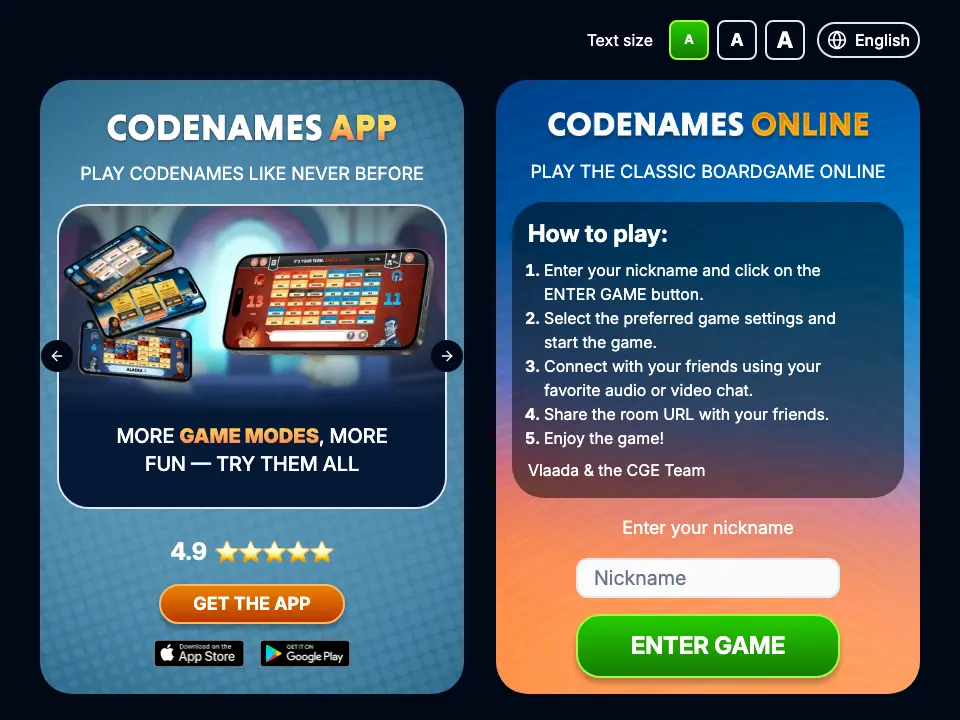
A clue giver tries to connect several words with one clue while teammates avoid dangerous choices. Choose it for discussing associations aloud. The browser version uses shared rooms, so arrange a group and voice chat; it is not a solo daily-grid replacement.
Cost: free online board-game version; the separate app is a different product. Allow: 15–30 minutes. More play: repeat multiplayer rounds.
7. Waffle — swap letters instead of grouping words
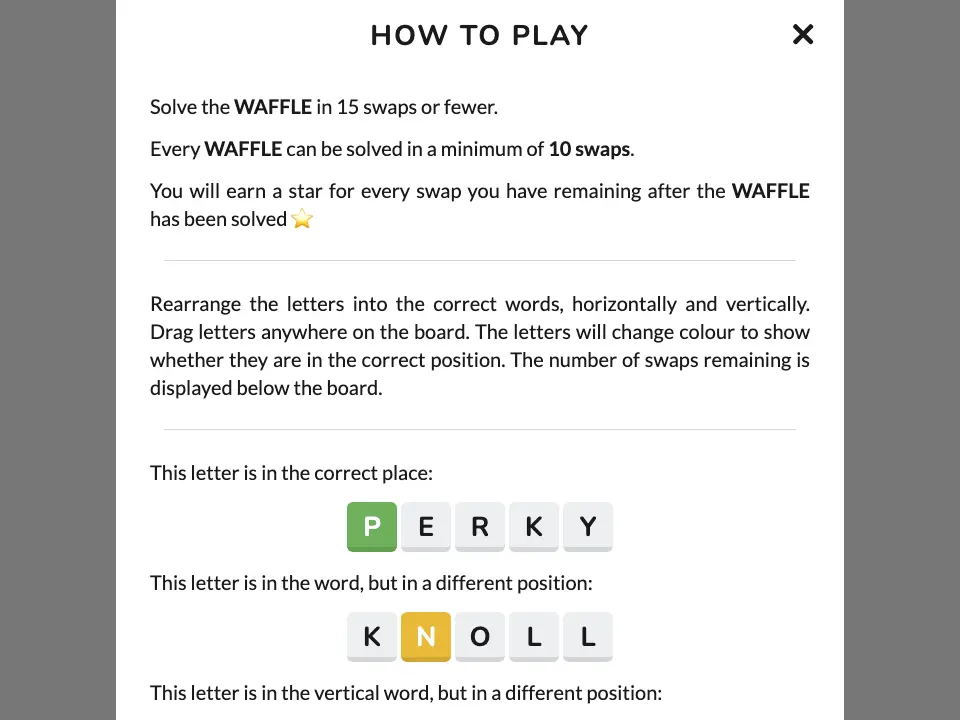
Rearrange letters to complete intersecting horizontal and vertical words within a swap budget. The appeal is constraint solving: a move that fixes one word can complicate another. Pick it when you want a compact board with deduction rather than semantic categories.
Cost: free daily play; supporter extras include Waffle Royale. Allow: 3–10 minutes. More play: archive and additional modes, not a simple unlimited-random daily button.
8. Squaredle — trace words through a letter grid
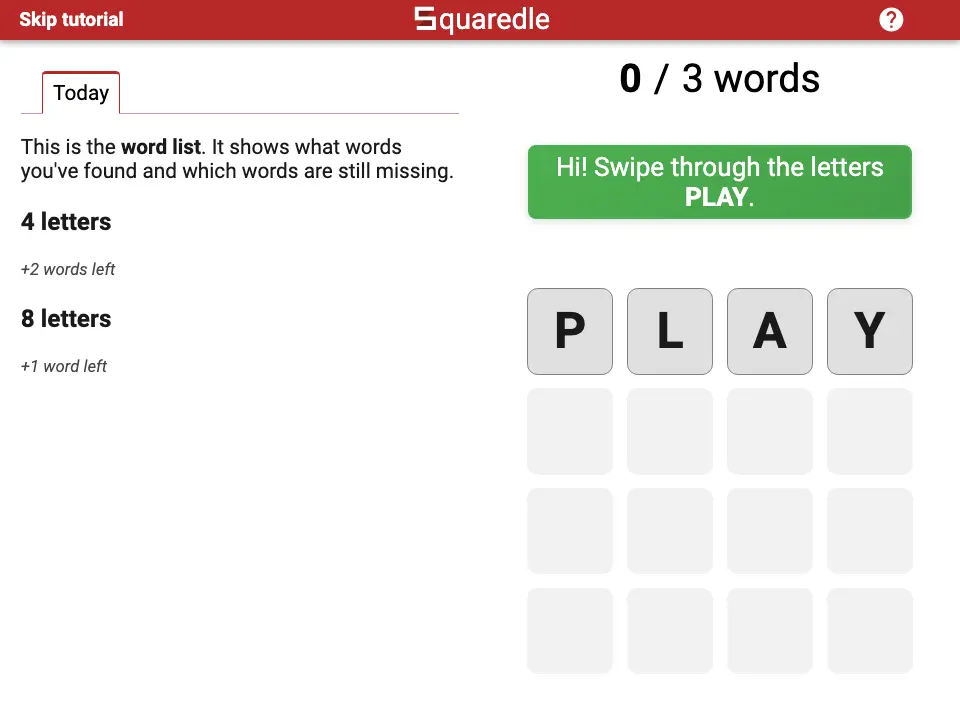
Find words by connecting adjacent letters, including diagonals. Progress helps narrow what remains, making it satisfying if you enjoy methodically clearing a board. It exercises vocabulary and visual search more than lateral category thinking.
Cost: free daily puzzle; Squaredle Squared adds paid features and archive access. Allow: 5–20 minutes. More play: daily Express, with archive and special-puzzle access depending on the plan.
9. Redactle — uncover the subject of a hidden article
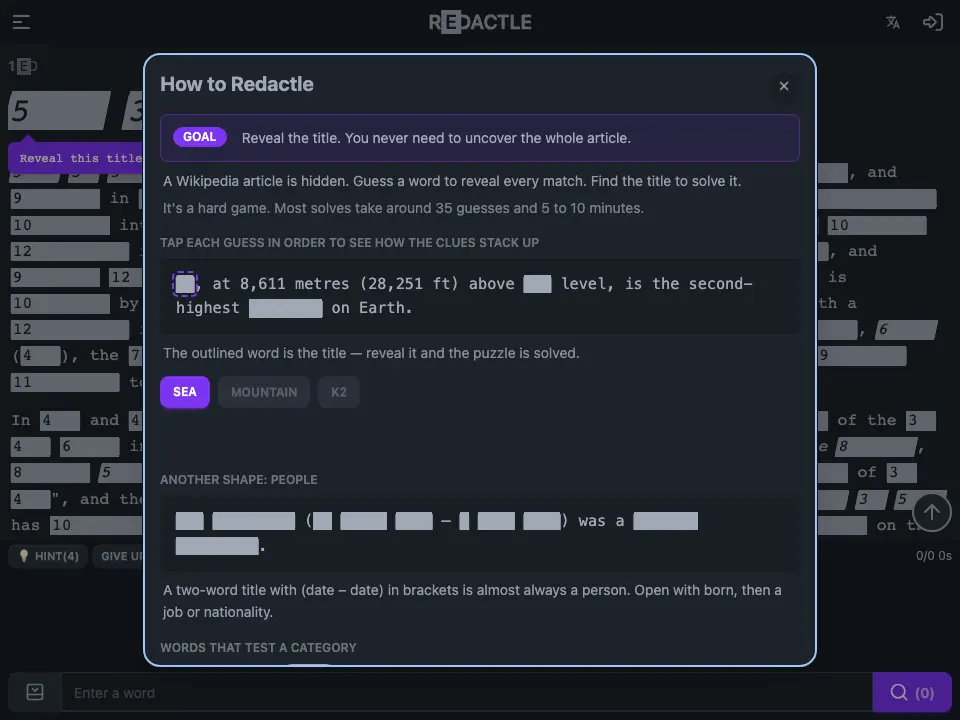
Guess words to reveal them in a redacted Wikipedia article, then identify the title. The useful connection may be a field of science, a historical setting or a kind of object. Choose this when you want a bigger semantic mystery and do not mind a longer solve.
Cost: free browser play. Allow: 10–30+ minutes. More play: puzzle-number navigation and new-game options.
10. Wordle — a short letter-deduction ritual
Find a five-letter word in six guesses using positional letter feedback. It is less like Connections mechanically, but a good choice for the same short daily routine. Guesses should gather information, not just try plausible answers.
Cost: free daily puzzle; archive features require a subscription. Allow: 2–5 minutes. More play: paid archive, not an official unlimited-random mode.
11. Strands — find words under one theme
Trace hidden theme words through a grid and find the spangram that ties the theme together. This is a useful bridge between category associations and word search: interpreting the title is part of the puzzle.
Cost: free daily play. Allow: 5–15 minutes. More play: a daily puzzle; check the publisher for current archive access, rather than expecting an Unlimited mode.
12. Spelling Bee — build a vocabulary from seven letters
Make words from seven letters, always using the central letter. Look for prefixes, suffixes and the pangram that uses every letter. It is a good option for players who like finding many small discoveries in a single board.
Cost: limited free play; a subscription unlocks continued play and archives. Allow: 5–20 minutes, or longer for a complete word list. More play: subscription archive, not unlimited generated boards.
13. Letter Boxed — connect words around a square
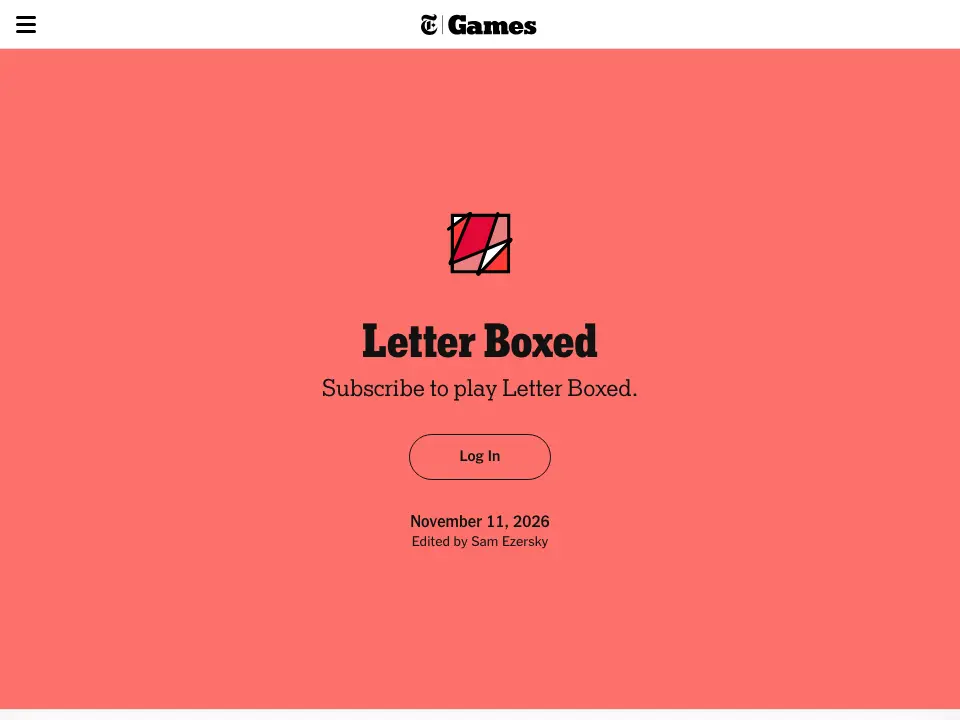
Form words using letters around a square without taking consecutive letters from the same side. Chain words so the last letter of one starts the next, aiming to use every letter. Choose it for word construction and planning rather than categories.
Cost: the checked browser entry requires a Games subscription. Allow: 5–15 minutes. More play: daily format; no official unlimited-random mode shown.
14. Quordle — manage four word guesses together
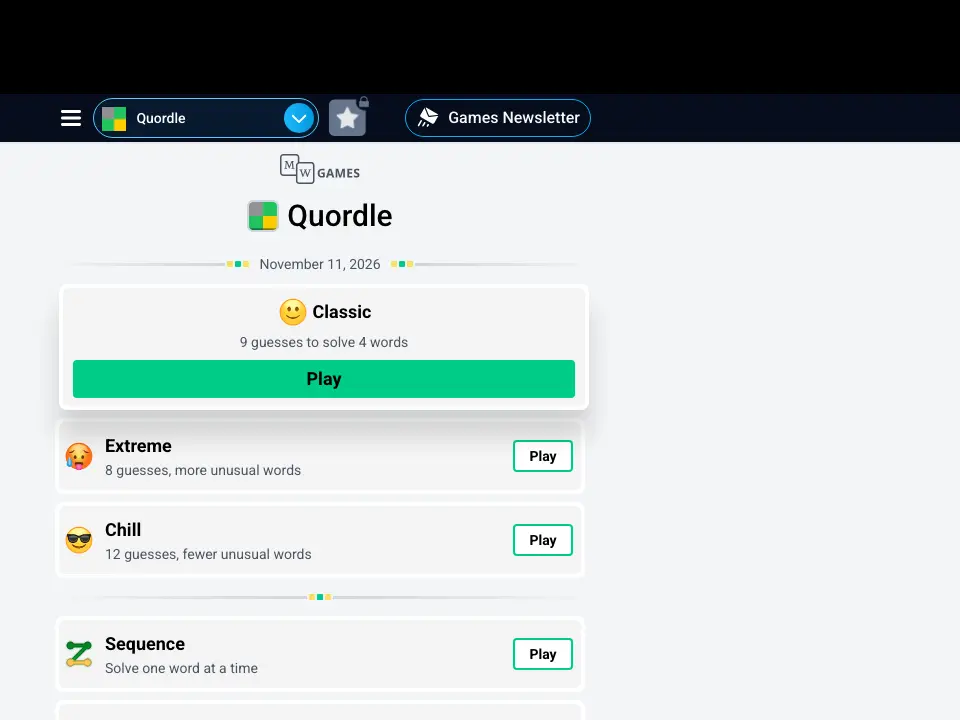
One guess contributes to four five-letter word boards. The classic game gives nine guesses, so balancing information across the boards matters. This is a step up from Wordle for people who like keeping multiple possibilities in mind.
Cost: free browser play. Allow: 5–10 minutes. More play: practice and additional modes; the daily Classic is still one shared challenge.
15. Octordle — eight boards at once
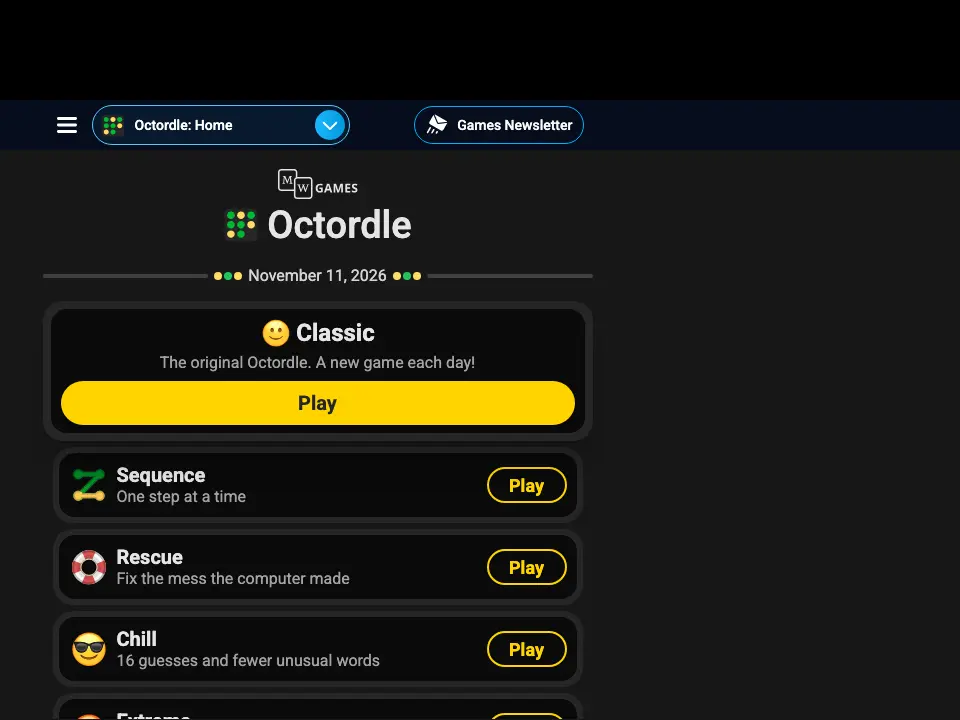
Take the multi-board idea to eight simultaneous words. It asks for careful triage: secure near-solved boards while choosing guesses that reveal useful letters elsewhere. Pick it for a longer deduction session, rather than more category wordplay.
Cost: free browser play. Allow: 10–20 minutes. More play: a Practice option alongside daily modes.
Which one should you try first?
For more grouping, start with PuzzGrid or Conexo. For a story of connected discoveries, try our daily puzzle hunt. For word meaning without tiles, try Contexto. For a short deduction break, choose Wordle or Waffle. For an evening with friends, choose Codenames Online.
Want to improve before the next grid? Read our word association strategies and word connection game guide.